
Sauna bathing significantly relieves muscle tension through the effects of steam on muscle tissue. The heat and humidity of the sauna relax tense muscles by improving circulation and reducing pain. Regular sauna use speeds up recovery and helps prevent muscle tension from developing. The wellness benefits of steam are rooted in the Finnish sauna’s unique ability to combine heat, moisture, and tranquility.
How does the sauna affect muscle relaxation?
The heat of the sauna dilates blood vessels and improves circulation in the muscles, which helps flush out waste products and deliver nutrients to the tissues. Heat relaxes muscle fibers and naturally reduces tension. The moisture amplifies the effect of the heat and allows muscles to relax more deeply than dry heat alone can achieve.
During a sauna session, the body’s temperature rises gradually, triggering a relaxation response throughout the entire body. Improved circulation delivers more oxygen to the muscles and speeds up recovery. This physiological process is particularly effective in cases of sauna-related muscle pain, when tense muscles need gentle care.
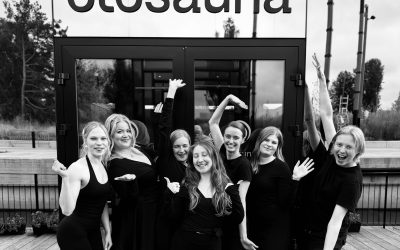
At Olosauna, we have seen how regular visitors learn to read their body’s signals and allow their muscles to relax at their own pace. Feel-good sauna rituals help deepen the relaxation experience and turn sauna bathing into an effective recovery method.
Why does steam relieve muscle tension better than dry heat?
Steam combines heat and moisture, which allows thermal energy to transfer more efficiently through the skin into the muscle tissue. Moist heat penetrates deeper than dry heat because water conducts heat more effectively than dry air. This deeper warming relaxes muscles more thoroughly.
A dry sauna primarily heats the surface of the skin, whereas steam heat warms evenly and deeply. Moisture also prevents the skin from drying out and makes higher temperatures tolerable for longer. This gives the muscles enough time to fully relax before the heat becomes too intense.
The Finnish steam tradition is built on precisely this optimal combination of moisture and heat. When water is poured over the sauna stones, a soft, moist heat is created that gently envelops the body. This is why the traditional Finnish sauna is so effective at treating muscle tension.
When is sauna bathing most effective for relieving muscle tension?
Sauna bathing is most effective for relieving muscle tension after physical exertion, when the muscles are already warm and circulation has been activated. The ideal time is 2–4 hours after exercise, once acute fatigue has subsided but tension is still present. Regular sauna sessions 2–3 times per week produce the best results.
The optimal duration of a sauna session for relieving muscle tension is 15–20 minutes at a time. The temperature should be around 70–80 degrees Celsius so that the sauna’s effect on the muscles is beneficial without being overly taxing. A sauna that is too hot can actually increase muscle tension.
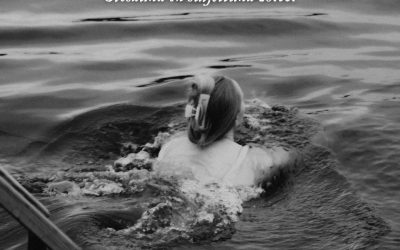
In winter, combining sauna bathing with a cold-water dip can further enhance recovery. At Olosauna, our heated swimming ladders and steps make winter swimming safe and easy. Alternating between cold and heat stimulates circulation and speeds up muscle recovery.
The importance of consistency
A single sauna visit provides temporary relief, but sauna-based recovery improves significantly with regular use. A weekly routine gives the muscles the opportunity to learn to relax more quickly and more deeply.
What are the best sauna practices for preventing muscle tension?
To prevent muscle tension, it is important to sit in the sauna in a relaxed position, let your shoulders drop, and breathe deeply. The correct posture is upright but relaxed, with your feet resting firmly on the floor or the bench. You do not necessarily need to sit on the top bench — choose a temperature at which you can relax completely.
Breathing technique is a key part of the sauna relaxation process. Inhale through your nose and exhale through your mouth, allowing your breathing to deepen naturally. This calms the nervous system and helps the muscles relax even further.
Hydration is a critical factor. Drink enough water before the sauna and make sure to rehydrate afterward. Dehydration tightens muscles and can cause cramps. Our sauna services always include fresh drinking water and guidance on how to get the most out of your sauna session.
Combining sauna with other relaxation methods
The benefits of sauna bathing are multiplied when combined with other relaxation methods. Light stretching after the sauna, while the muscles are still warm and pliable, helps prevent stiffness. Quiet conversation or a moment of silence between sauna rounds deepens the relaxation experience.
The health benefits of the Finnish sauna are rooted in holistic well-being, where physical and mental calm go hand in hand. Our sauna facilities and wellness services can be enjoyed alone or in a group — sometimes shared silence in the sauna is the best remedy for the tensions of a busy life.
Regular sauna bathing is one of the most effective natural ways to both prevent and treat muscle tension. At Olosauna, we offer the opportunity to experience authentic Finnish sauna culture, where the power of steam and a sense of community come together. Come and discover how a traditional sauna can transform the way your body and mind feel — the sauna is waiting for you. After your session, why not unwind further at the Olosauna Café for refreshments. You can find more information on our contact page.