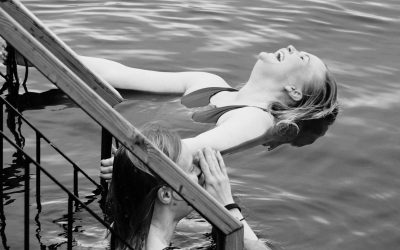

Ice swimming offers numerous health benefits for both body and mind. It strengthens the immune system, improves circulation, and increases the body’s resilience. Combined with the sauna, ice swimming creates the ultimate wellness experience — reducing stress and building mental endurance. In Finnish sauna culture, ice swimming has been part of the traditional recovery and relaxation ritual for centuries.
Why is ice swimming at the heart of Finnish sauna culture?
Ice swimming is an integral part of Finnish sauna culture, harnessing the power of alternating heat and cold. This ancient tradition is not merely a display of courage — it is a profound element of the Finnish approach to caring for body and mind.
Traditionally, ice swimming has been a natural extension of the sauna. Once the body is thoroughly warmed, cold water offers an invigorating contrast that revives and refreshes. This combination has been passed down through generations because its effects are tangible and immediate.
In modern urban settings, ice swimming is taking on new forms. A floating sauna offers a unique opportunity to experience traditional ice swimming in a safe and communal environment.
What health benefits does ice swimming offer the body?
Ice swimming activates the body’s natural defense mechanisms and strengthens physical fitness in multiple ways. Cold water stimulates circulation and causes the heart to beat more powerfully, improving oxygen delivery throughout the body.
Regular ice swimming strengthens the immune system and increases the body’s resistance to illness. Cold exposure prompts the body to produce more white blood cells, which fight off infections. At the same time, the body’s temperature regulation improves and its capacity to adapt grows stronger.
Muscle tension eases with ice swimming, as cold water relaxes tight muscles. This is particularly beneficial after exercise or at the end of a long workday. Ice swimming also accelerates recovery from physical exertion.
How does ice swimming affect mental health and well-being?
The psychological benefits of ice swimming are just as significant as its physical effects. Cold water triggers the release of endorphins, creating feelings of pleasure and happiness. This natural “high” can last for hours after the swim.
Stress decreases considerably with ice swimming. When the body faces the challenge of the cold, it focuses entirely on the present moment. This quiets the mind and brings a deep sense of relaxation. Everyday worries feel smaller after time in cold water.
Mental resilience grows as we learn to face discomfort in a controlled way. Ice swimming teaches breath control and mental calmness in challenging situations — skills that carry over into everyday life.
How do the sauna and ice swimming together enhance health?
The combination of sauna and ice swimming offers a unique health benefit that goes beyond what either practice delivers on its own. Alternating between heat and cold stimulates circulation: blood vessels dilate in the warmth of the sauna and constrict in the cold water. This natural pumping effect strengthens the function of the heart and cardiovascular system.
The rhythm of sauna heat and cold exposure boosts metabolism and supports the body’s natural detoxification. Regular temperature variation increases the body’s tolerance for stress and trains it to respond flexibly to changes in the environment.
The secret to holistic well-being lies in balance: when the body relaxes in the sauna and is refreshed in the ice hole, the mind also gets to rest and recover. The gentle heat of the sauna prepares the body for cold water, and returning to warmth after the plunge feels all the more rewarding.
How to start ice swimming safely?
Getting started with ice swimming requires patience and attentiveness to your body. The key is to progress gradually — in the early sessions, simply dipping your feet and hands into cold water after the sauna is enough. Brief moments in the water help the body adapt to the cold without unnecessary strain.
Safety always comes first. Never enter the ice hole alone — make sure there are other people nearby. Start with short dips, ranging from a few seconds to a few minutes at most, and gradually increase the time based on how you feel. If you feel uncomfortable, getting out of the water is always the right decision.
A calm technique makes the experience more enjoyable. Lower yourself into the water using steps or gently from the edge of the dock. Breathe deeply and steadily. Avoid diving or sudden movements. Keep your limbs moving so that warmth stays in the body and circulation remains effective.
What makes ice swimming a communal experience?
Ice swimming has traditionally been a social event in which people share a one-of-a-kind experience. Shared courage and excitement create a strong bond between swimmers. Laughter and encouragement are always present at the ice hole.
A sense of community arises from the fact that everyone is in the same situation facing the cold water. Social status and roles fade away when everyone is meeting the same challenge. This creates genuine connection and a feeling of togetherness.
A modern urban sauna provides the perfect environment for combining ice swimming and sauna in a safe setting. A floating sauna makes ice swimming possible year-round, and the communal atmosphere makes the experience all the richer. Here you can enjoy authentic Finnish sauna culture and forge new friendships between rounds of steam.
Ice swimming brings together physical and mental well-being in a communal experience that revives and refreshes. When you step into cold water after the sauna, you share a unique moment that connects you to a chain of generations and brings calm to a busy everyday life. Proper sauna etiquette and conduct make the experience more enjoyable for everyone involved. Explore the sauna services and options that provide a safe environment for ice swimming.